New Life in Old Walls: My Daily Life as a Carpenter in Bergen
When people hear that I’m a carpenter, they often picture new construction, scaffolding, and concrete. For me, though, it’s mostly about the opposite: taking care of what’s already there -and has been there for hundreds of years.
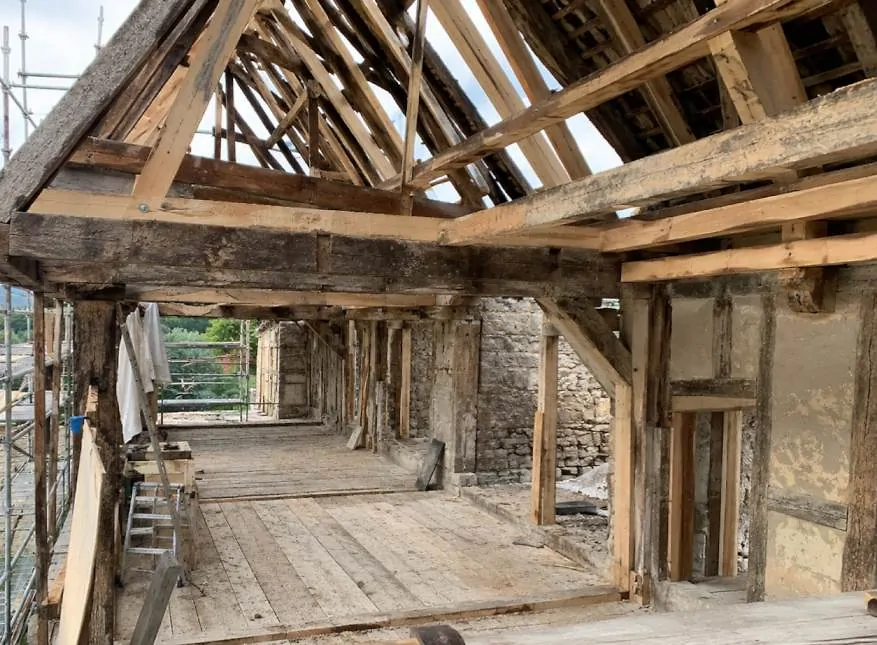
I specialize in restoring old buildings. It’s a profession that demands both precision and humility. You can’t just “fix” a 250-year-old living room wall. You have to understand why it was built the way it is, what type of wood was used, how moisture has moved through the house over generations, and the consequences of making a mistake.
Bergen — a city steeped in history
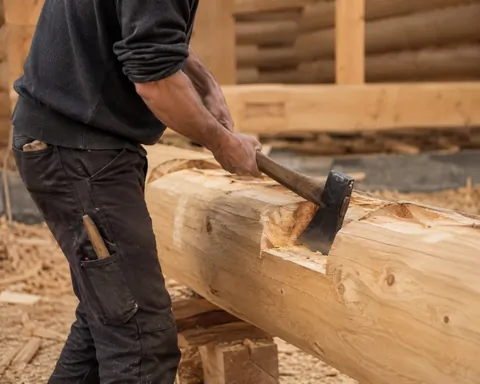
Here in Bergen, old houses are everywhere. Our wooden city has survived fires, storms, and the ravages of time, and many of the buildings are cultural heritage sites. I’ve worked in houses where the floor joists were hewn with an axe in the 1700s and where you can still see the marks left by the craftsmen who came before me. It gives me a strange feeling of being part of a long, endless chain.
Some days, I stand in a small, crooked attic room in Nordnes, smelling 200-year-old mold and pine. Other days, I’m at Bryggen or in one of the large wooden houses in Sandviken that are worthy of heritage status. Then it’s not just me and my colleagues. That’s when the outsiders tend to show up, too.
Cultural heritage bureaucrats and specialists have to get involved.
Working on listed buildings or houses with high conservation value means you can’t do whatever you want. That’s when requirements for documentation, color analyses, traditional craftsmanship techniques, and approved materials come into play. Suddenly, we’re working with antiquarians, conservators, engineers, and sometimes archaeologists.
It can be frustrating at times, with lots of paperwork and meetings. But that’s also what makes the job worthwhile. I learn something new every day. I’ve received help from people who understand the history of roof structures better than I understand newspapers.
Other times, a conservator has shown me how to preserve original layers of paint that I almost missed.
The tools of the trade: Ancient techniques vs. modern standards
One of the most interesting aspects of my job is striking a balance between using traditional methods and meeting today’s living standards. You can’t just bring in modern power tools and synthetic materials when restoring a house from the 1700s.
- Materials matter. We often use heartwood (alme) and linseed oil paint (linoljemaling). Unlike modern plastic-based paints, linseed oil allows the wood to breathe. This prevents the moisture traps that lead to rot in Bergen’s humid climate.
- The Carpenter’s Toolset: While I appreciate my modern drill, much of the fine work is still done with hand planes and chisels. There is a specific surface finish that can only be achieved with a sharp hand plane -a texture that reflects light differently than sanded wood.
- Insulation Challenges
How do you insulate a wall that was never meant to be airtight? We often use breathable insulation, such as wood fiber or sheep’s wool. This ensures a comfortable temperature for residents without causing condensation issues within the timber structure. By respecting these old techniques, we ensure the repairs last another hundred years, not just until the next renovation cycle.
The best part of my job
It’s those moments when a dark, damp, forgotten room suddenly becomes bright and alive again. When the owner walks in and falls silent. It’s when you see that the house “breathes” better after we’ve installed proper insulation, replaced rotten beams, and preserved the building’s soul.
I don’t think we own these houses. We’re taking care of them for those who come after us. It might sound strange, but that’s how I feel when I go home after a long day, with sawdust in my hair and paint on my nose.
I’ll admit that sometimes I get itchy fingers to build something completely new, too. But right now, repairing and preserving makes more sense. Bergen has given me so many beautiful old buildings to work with, the least I can do is give back a little.
Remember, it’s okay to love old boards and crooked floors. They all have stories to tell us.
Timber-Stone
