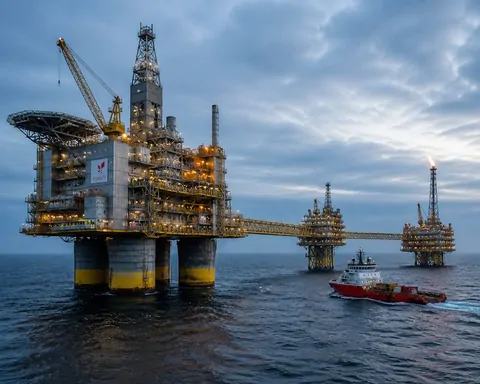
A lot of countries have built their prosperity on oil and gas, but the world is moving toward an era in which demand for oil is expected to level off or decline. While Norway’s got a big oil fund to cushion the blow, other oil-producing countries are in for a rougher ride. Some have vision and capital, while others struggle with corruption, debt, and a lack of diversification.
Ambitious Gulf States
Saudi Arabia is investing a lot through “Vision 2030.” We’re looking at tourism, entertainment, technology, and renewable energy as ways to reduce our dependence on oil. The UAE has already been more successful in making Dubai a global financial and trade hub. Both countries have capital and solar energy that can provide green hydrogen and solar power, but oil revenues still finance much of the transition.
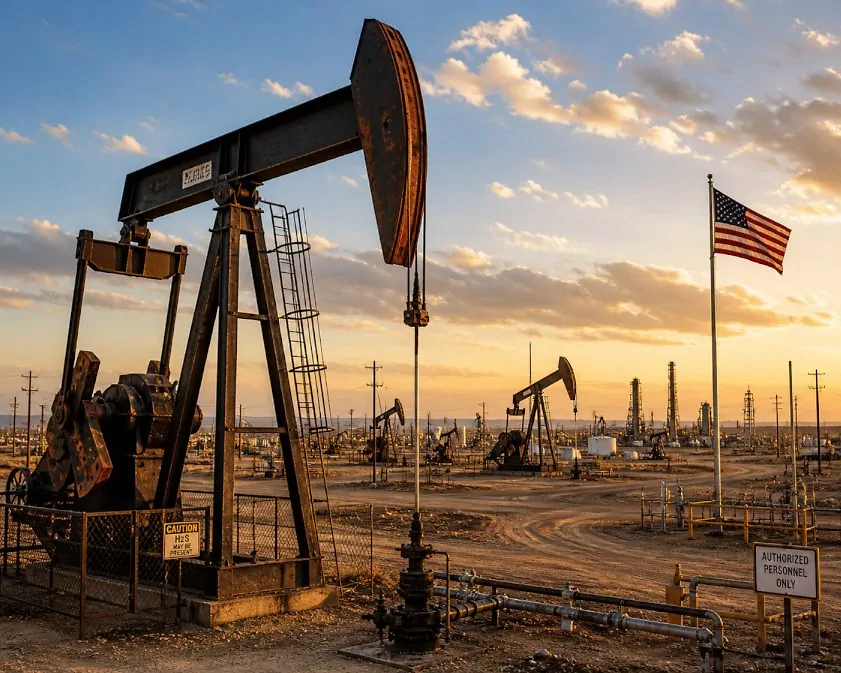
Some of the big producers are dealing with a variety of issues.
Russia is still really dependent on oil, and it’s been struggling because of sanctions and a lack of innovation. Canada has a tough time with expensive and emissions-intensive oil sands, while the U.S. has flexible markets and a strong technology sector. But the regions that produce the most oil will be hit hardest by the slowdown.
In Venezuela and Nigeria, history shows how badly things can go. Having a ton of money in the bank hasn’t made things better for them. It’s actually led to corruption, instability, and downfall. In this case, the transition is mostly about rebuilding institutions and infrastructure.
What can replace oil?
Here are some possible paths to consider: * Renewable energy and green hydrogen- Tourism and the experience economy
- Critical minerals for the battery and green industries.
- Sharing our know-how about oil with offshore wind, CCS, and digitalization
* We need to put more money into education and the knowledge economy.
The difficult questions
This change creates winners and losers. Jobs are disappearing faster than new ones are being created, especially in countries without a strong welfare state. Regional inequalities and social unrest are real risks. A lot of poor oil-producing countries don’t have the time or money to make a just transition.
Here’s a thoughtful reflection on the matter:
No country has a perfect recipe. Norway’s got the trust thing going on, and Saudi Arabia’s got that authoritarian vibe. Most others are sort of in the middle. It’s pretty clear that we can’t just sit around and do nothing.
The countries that invest early in people, institutions, and new industries will have the best opportunities. Those who wait until oil revenues are gone risk falling into the classic resource curse.
The post-oil future is going to look different for everyone. The decisions made now in major cities around the world will shape how well or how poorly countries do financially and how energy is developed around the world for decades to come.
Nor2050
