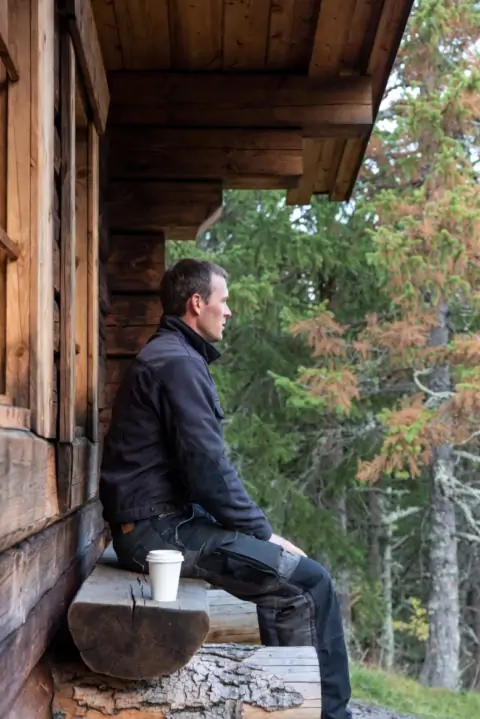
From building timber frames for cabins in Øygarden to renovating old wooden houses in Sandviken, I’ve seen it all. However, whenever I speak with colleagues from other countries or see projects from abroad, I’m struck by just how differently we think when it comes to construction.
It’s not just a matter of taste and color; it’s also about climate, tradition, resources, and stubborn national character. Let’s take an honest look at the differences.
Norway loves wood. The rest of the world… not so much.
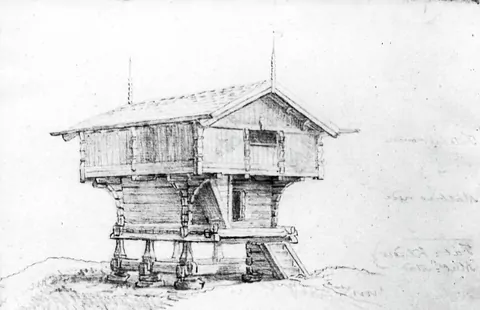
In Norway, wood is the obvious choice. We have forests and a tradition of stave churches and log storehouses. We’ve learned to build with wood in a climate where it rains almost constantly, and the wind can take your breath away on an ordinary March day in Bergen.
In Denmark, on the other hand, you see a lot more brick—neat, solid brick houses that have stood there for a long time. Sweden and Finland are closer to us in their use of wood, but there are still variations. Further south in Europe, in Italy, Spain, and France, brick, stone, and concrete dominate. Wood? That’s reserved for cabins or the wealthy.
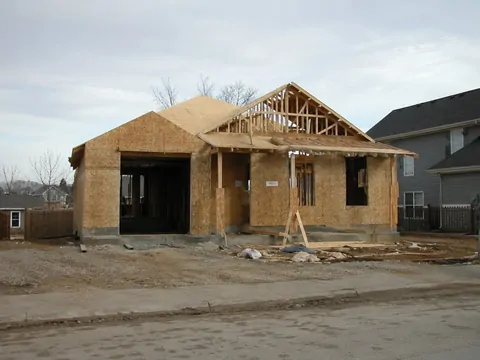
Then there’s the U.S., where “wood frame” construction is still common for single-family homes. However, it often feels lighter and more “temporary” than our Norwegian solutions. We insulate more thoroughly, seal more effectively, and focus on ensuring that our houses will stand for over 100 years without becoming maintenance nightmares. Americans build quickly and cheaply, while we build solidly and more expensively, resulting in a longer lifespan.
I remember an American colleague who visited a Norwegian prefab house project and asked, “Why don’t you use more drywall and nails?” “Because we want it to sound like a house when you knock on the wall, not like a guitar case,” I replied.
The climate shapes everything, from windows to roofs.
Norwegian houses often have large, triple-pane windows to let in as much light as possible during the dark season. We orient the houses to catch the sun, and we love large glass surfaces that open up to nature. In Mediterranean countries, on the other hand, the windows are smaller and have shutters. The thick walls keep the heat out in the summer and the cold in during the winter. There, thermal mass is important; here, insulation and airtightness are important.
Our roofs are steep to handle snow and rain. In many southern countries, flat roofs are common; people use them as extra outdoor space. What about roofs with turf or grass? That’s a purely Norwegian tradition that makes modern cabins look incredibly cozy, but it makes people from Central Europe raise an eyebrow.
Construction Method and Speed vs. Quality and Regulations
Here in Norway, we’re known for being thorough. TEK17 sets strict requirements for insulation, fire safety, universal design, and energy efficiency. This process takes time and costs money, but the result is houses that keep us warm and dry.
In some countries, especially in Eastern Europe and parts of Asia, things move very fast. Concrete is poured, prefabricated elements are stacked, and suddenly, a house is built. Quality can vary, and maintenance comes later. In the U.S., prefabricated and modular construction is popular, while here in Norway, we have made great strides with solid wood and cross-laminated timber (CLT). The Mjøstårnet in our hometown is an example of our daring to build tall with wood, something that’s still exotic in many places. We also have an apartment building in Bergen right by the Puddefjord Bridge.
In Norway, apartment doors often swing inward, while in Sweden, they swing outward. Balcony railing heights, stair treads, and space around toilets vary from country to country. It’s like comparing soccer rules—everyone plays the same sport, but the referees call it a little differently.
Sustainability and the Future
As a construction worker, what pleases me most is that Norway is far ahead in using wood smartly. Wood sequesters CO₂, is renewable, and modern technology allows us to build taller and safer structures. While many countries still rely heavily on concrete and steel, which have a large carbon footprint, we’re experiencing a wood renaissance.
At the same time, we’re learning from others. Sweden offers better prefab solutions, Denmark offers better aesthetics, and Germany and the Netherlands offer innovation in energy efficiency.
Summary: the best of several worlds?
Ultimately, there is no single country with the “right” way to build. It’s about adapting to the local environment, culture, and needs. In Norway, we have learned to live with the weather, and that shapes everything from our material choices to our concept of comfort.
But I’ll readily admit it: When I see a beautiful old brick house in Copenhagen or a classic half-timbered house in Germany, I feel a twinge of professional envy. At the same time, when I’m standing on a construction site in Bergen on a sunny day with the scent of fresh wood in the air and the fjord in the background, I realize that we have it pretty good here.
Good luck with your building projects out there, and remember: A good house is more than just a roof over your head. It’s a home that withstands time and West Coast weather.
Cross-Cultural Timber-Stone