The Norwegian packed lunch is like our national art form of bread and fillings.
I’m curious: How many other countries have a source of national pride that’s basically just four slices of dry bread wrapped in curling wax paper? Welcome to Norway, where the packed lunch is more than just a meal. It’s a way of life and an identity. Researchers say it’s also one of the biggest changes in our food culture ever.
It all started in the 1930s in Oslo. Kids were getting sick from malnutrition, and school doctor Carl Schiøtz was fed up with the gray oatmeal porridge that was served. He wanted to give them something better: whole-grain bread, cheese, milk, and a raw carrot. The “Oslo Breakfast” was introduced in 1932, and by 1936, the “system” had spread across the country. Then, all of a sudden, kids were expected to bring food from home. And so, the sacred packed lunch was born.
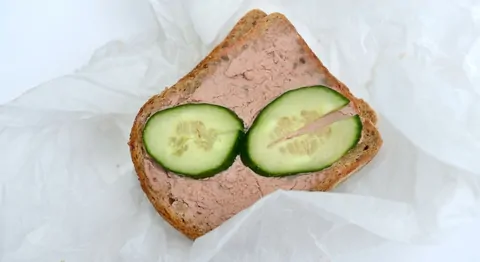
People had been eating packed lunches or provisions for hundreds of years before that: dry bread, salted meat, and maybe a sip of beer (the Vikings knew how to live). But our modern version? It’s a great example of Norwegian practicality at its finest. It’s two slices of brown cheese, two slices of liver pâté, a cucumber stick that’s seen better days, and a small bag of carrots that no one really eats. It’s all packed so neatly that it looks like a gift from a slightly grumpy aunt.
What makes the packed lunch so special? It’s democratic. It doesn’t matter if you’re a CEO or a plumber—everyone’s there with their little stack at 11:00 a.m. It’s eco-friendly (in theory, at least, before you forget it in the car for three days). It’s also flexible. Did you forget your sandwich fillings? Then it’s “a plain slice with a clear conscience.” Got a little extra? Then you get to bring a surprise that makes your colleagues stare enviously.
My foreign friends are always shocked. “You eat the same thing every day?” Absolutely. We love it. The whole point of the packed lunch is to be simple and convenient. It’s about bringing a little piece of home with you, opening your lunchbox, and thinking: “I’ll be okay today, too.”
My American partner, who has witnessed 22 years of Norwegian lunch breaks, still finds it fascinating that in a world of avocado toast and Poke bowls, the humble ‘matpakke’ remains king. He often points out that while the US has seen a revolution in fast-casual dining, the Norwegian office fridge is still filled with the same brown cheese and liver pâté as it was in 2002.
It’s not all easy, though. There’s always that fight against the bread getting soft on the bottom and hard on the top. The spot that appears out of nowhere is a bit mysterious. And let’s not forget the daily letdown of finding out someone’s already snuck in the last slice of caviar.
But the packed lunch is still Norway in a bag. It’s practical, a bit boring, but it’ll always work. It’s been around since the war, the oil boom, and working from home. It’s our way of saying, “I’ve got life under control,” even if it’s just four slices of bread.
Lunchbox 2.0
Today, we proudly talk about “Lunchbox 2.0.” That is to say, someone has swapped out the white bread for sourdough from an Instagram-friendly bakery and added three cherry tomatoes to make it “feel healthier.”
The rest is just like before: brown cheese that’s started to sweat, liver pâté with that characteristic metallic taste of nostalgia, and a cucumber that looks like it’s survived a war. Because that’s the beauty of the Norwegian packed lunch—it can be spruced up, but it refuses to get fancy. It knows what it is, and it’s happy with that. Just like us.
And then there’s the legacy. I remember my grandmother packing a lunchbox as if she were sending me out into the world with a supply pack. Always a napkin, always perfectly symmetrical slices, and always a small piece of Freia milk chocolate hidden at the very bottom—“so you have the strength to keep going.” That tradition lives on to this day. Maybe not with a napkin, but with a crumpled note from my wife that says “don’t forget to eat,” or a drawing from my kid showing me as a stick figure with a huge belly.
Suddenly, the packed lunch isn’t just food. It’s a daily reminder that someone back home actually cares whether you survive until four o’clock. How many countries can boast of that?
Outdoor lunch
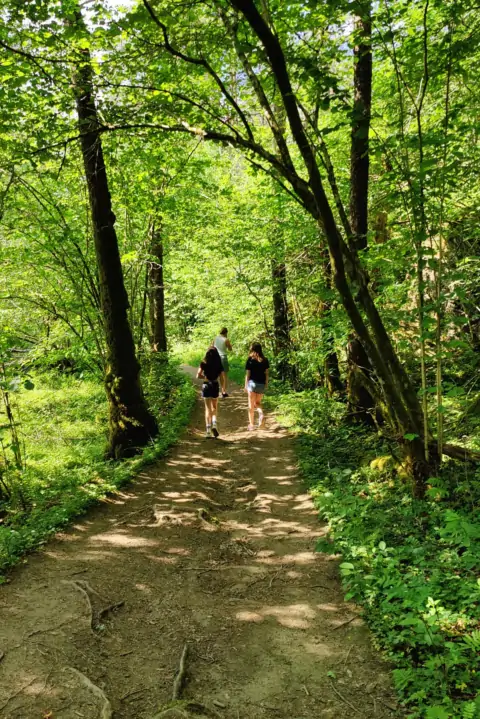
And then there’s the weather, of course. In other countries, people can eat outside on a terrace in May. We pack a lunch in May, too, because “a sudden downpour could hit at any moment.” That’s why we’ve developed our very own technique for eating under our jackets while standing next to a building wall and pretending we’re just enjoying the view. The world’s most discreet lunch ritual. James Bond has his martinis; we have our folded slice of bread in our inner pocket.
Reflection
Maybe it’s time to start a little revolution after all. Nothing drastic—no hot lunches in the cafeteria or fancy bento boxes. Just a quiet agreement that it’s okay to add a little extra something tasty every now and then. Maybe even—brace yourselves—a small leaf of lettuce. Just to show that we dare to live a little dangerously.
So, the next time you make a packed lunch at 5:45 a.m., half-asleep and muttering, “No more brown cheese,” remember that you’re part of a proud tradition. You’re not just hungry. You’re Norwegian.
What’s in your ultimate packed lunch? What about brown cheese and jam? Liver pâté with cucumber? Or are you the type of person who ruins the whole thing by bringing hot food in a thermos?
Enjoy, and bon appétit!