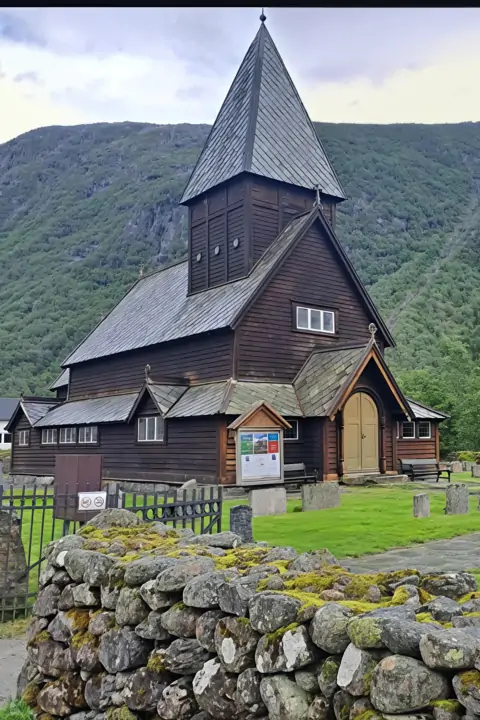
Modern Restoration Techniques
Now that we’ve talked about historic buildings, it’s time to look at how we actually preserve them today. Stave churches, Bryggen, and old wooden houses that have stood for hundreds of years – but they need protection against the weather, mold, and the ravages of time.
Fortunately, in 2026 we have tools our ancestors could never have dreamed of – without destroying the soul of the building.
- 3D laser scanning and drones with thermal imaging
- Precise digital models accurate to the millimeter
This way, we know exactly where the damage is before we touch a single log.
Respect for the materials
We follow the “like-for-like” principle as far as possible:- Replace rotten wood with the same type of high-mountain pine
- Continue to use log joints and wooden dowels wherever possible
- Linseed oil, tar, and traditional paints – but with a more thorough analysis of the original colors
At Bryggen, we combine traditional carpentry with modern moisture control. In the stave churches, we reinforce with solid wood or CLT where needed, without it being visible.
New tools that get the job done
- CNC machines that create precise copies of carvings
- Invisible fire protection systems
- Environmentally friendly treatments against fungi and insects
The Directorate for Cultural Heritage is still working on several stave churches, with a focus on both preservation and training new craftsmen.
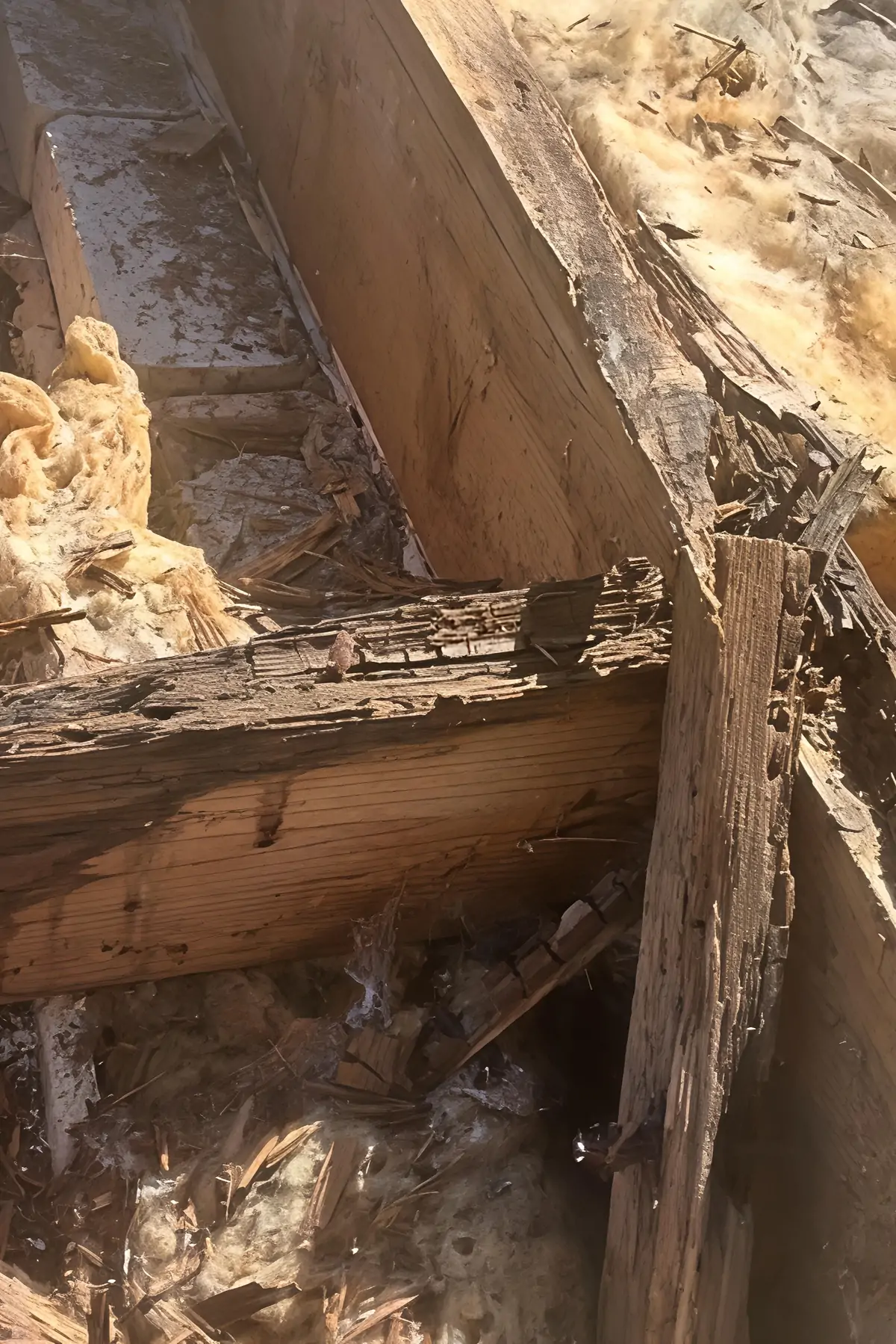
How We See the Invisible
One of the biggest challenges today is climate change. Old wooden buildings that have stood the test of time for centuries are now facing extreme rainfall and high humidity.
To stay ahead of the curve, we now use advanced computer programs for hygrothermal modeling. Simply put, we simulate how moisture moves through the wood. This allows us to predict exactly where rot will occur long before it’s visible to the naked eye.
We also use tools that act like an “X-ray machine” for buildings. Using ultrasound and resistivity measurements, we can assess the condition inside the load-bearing beams without drilling or sawing. We determine exactly how strong the wood is, while leaving the original structure intact.
Modern Protection
Material technology has also made quantum leaps. We now use new treatments based on nanotechnology that provide far better protection against fungi and insects than the old, toxic methods. But we’re cautious: We need to be sure these methods won’t have unwanted side effects 50 years from now, so everything is carefully documented through field trials.
At Bryggen in Bergen, we’re taking it even further with a digital twin. This is a dynamic computer model of the entire building complex that receives real-time data from built-in moisture sensors. This means we can perform “predictive maintenance” – we know when a beam needs to be replaced before it becomes a safety hazard.
Balance is the most important thing
It’s about using modern technology to understand and document – but letting the craftsmanship and materials remain true to the original. A restored building should feel authentic, not like a plastic museum.
As a construction worker, I see that we’re combining the best of the past with the best of the present. Durability, aesthetics, energy efficiency, and safety – all in one package.
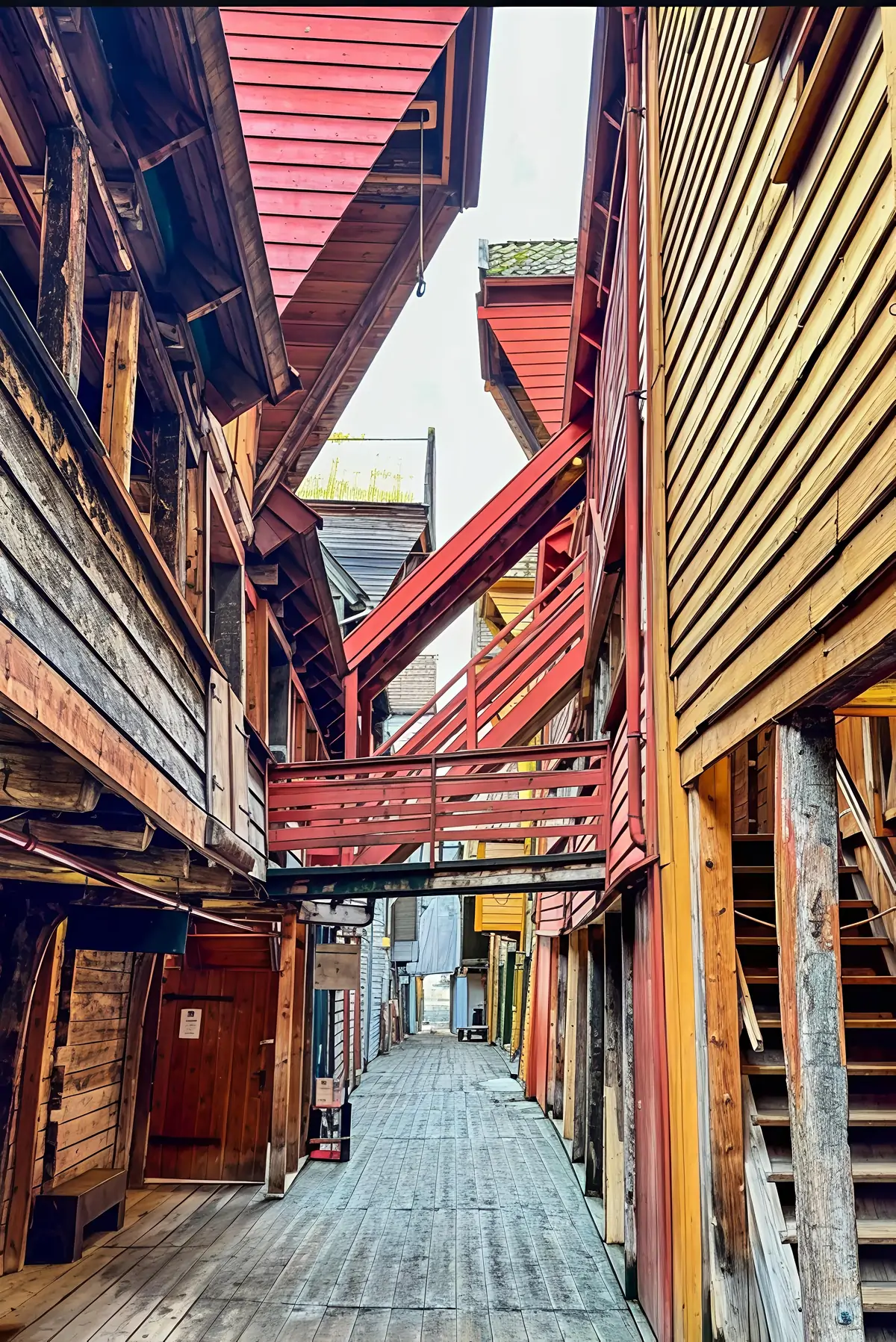
Older buildings are priceless historical links that connect the past with the present, and it’s crucial that we preserve them for the future. A number of such unique cultural environments around the world have secured prestigious UNESCO World Heritage status, and Bergen plays a proud role in this.
With its iconic wooden buildings at Bryggen, the city represents a truly special cultural heritage that attracts visitors from all over the world and reminds us of the importance of preserving our shared history.
Happy restoring out there – and remember: These old buildings deserve to live on with dignity.
Timber-Stone

